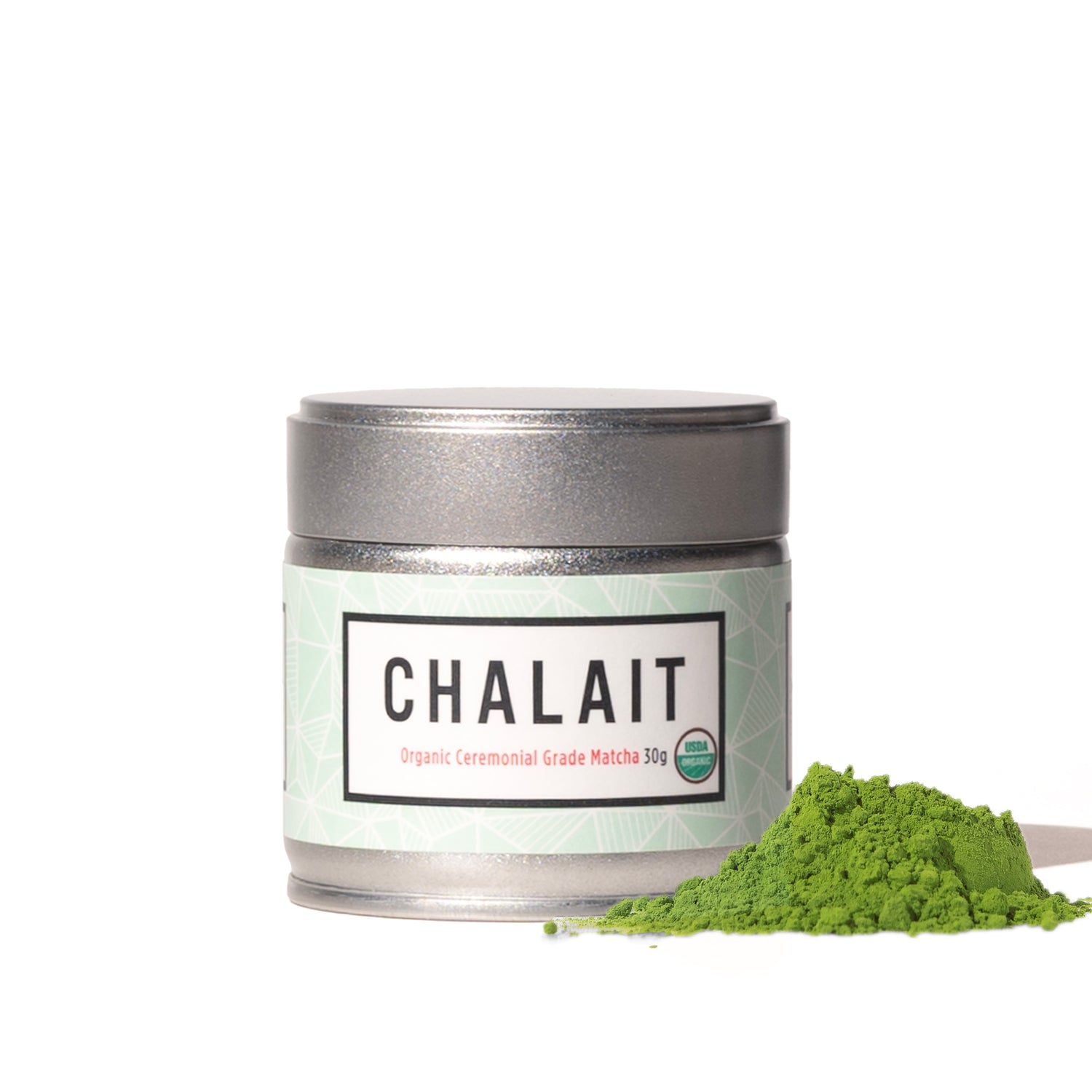

Matcha's Relationship with Your Microbiome
The research connecting green tea consumption with gut health has grown considerably over the past decade, and matcha — as whole-leaf green tea in powdered form — delivers these benefits in concentrated doses. Unlike steeped green tea, which leaves most of the leaf's fiber and phytonutrients in the discarded leaves, matcha suspends the entire leaf in your cup. That means more catechins, more chlorophyll, and more prebiotic fiber reaching your digestive tract.
How Catechins Act as Prebiotics
EGCG and related catechins in matcha have been shown to selectively encourage the growth of beneficial gut bacteria, particularly Bifidobacterium and Lactobacillus species, while inhibiting the growth of certain pathogenic bacteria. A 2019 study in npj Biofilms and Microbiomes found that green tea polyphenols altered gut microbiota composition in ways associated with reduced gut inflammation and improved metabolic markers.
Digestive Comfort and Preparation
Many people report that matcha, unlike coffee, doesn't trigger digestive discomfort or acid reflux. Matcha is less acidic than coffee, with a pH typically around 6–7 compared to coffee's 4–5. If you're new to matcha and have a sensitive stomach, starting with a half-teaspoon serving whisked in warm water with food can help your digestive system adjust. Once your system adapts, most people find matcha noticeably gentler than coffee for their digestion.