The Paradox of Caffeinated Calm
For people who experience anxiety, caffeine is often the first thing clinicians suggest cutting. Coffee and energy drinks can amplify the nervous system arousal that anxious people are already fighting. Matcha is a meaningful exception — and the reason is L-theanine, the amino acid that makes matcha's stimulation categorically different from other caffeine sources.
How L-Theanine Modulates Stress Response
L-theanine crosses the blood-brain barrier and directly influences brain chemistry. It increases GABA, the primary inhibitory neurotransmitter — the same neurotransmitter that anti-anxiety medications target, though L-theanine's mechanism is gentler and non-habit-forming. It also promotes the production of serotonin and dopamine while stimulating alpha brain waves associated with wakeful calm.
A double-blind study published in Nutrients (2019) found that L-theanine supplementation significantly reduced self-reported stress and anxiety scores, improved sleep quality, and reduced salivary cortisol levels. Participants took 200mg daily — an amount present in approximately 2–3 servings of ceremonial matcha.
Why Grade and Preparation Matter
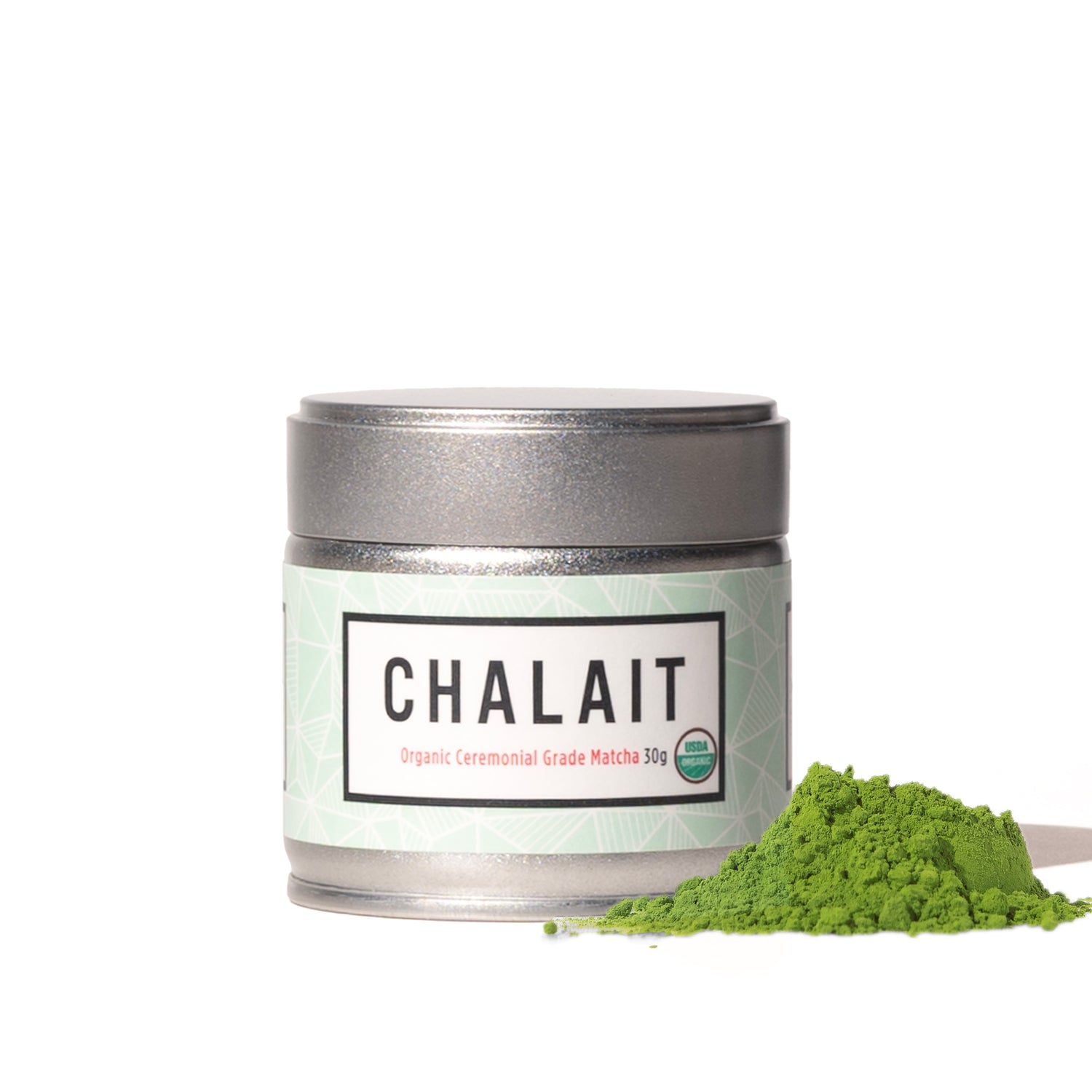
Ceremonial-grade matcha from shade-grown, first-flush leaves contains significantly more L-theanine than culinary-grade powder. The shade-growing period forces the plant to produce more chlorophyll and L-theanine in response to limited light. For anxiety management specifically, preparation also matters: mixing at 70–80°C preserves more L-theanine than boiling water. Many people find that preparing matcha as a ritual — the slow whisk, the moment of quiet — provides its own stress-reducing benefit independent of any compound.