
Long-Term Brain Health and Polyphenols
Among the most compelling areas of matcha research is its potential role in long-term cognitive health and neuroprotection. Epidemiological data from Japan — where green tea consumption is among the highest in the world — consistently shows lower rates of cognitive decline in regular tea drinkers. The proposed mechanisms are well-supported by mechanistic research on EGCG, L-theanine, and other matcha compounds.
EGCG and Neuroprotection
EGCG readily crosses the blood-brain barrier, giving it direct access to the central nervous system. There, it acts as a powerful antioxidant against oxidative damage to neurons — damage that accumulates over decades and underlies much of age-related cognitive decline. It also inhibits the aggregation of amyloid-beta peptides, the misfolded proteins associated with Alzheimer's disease pathology, in cell culture and animal models.
L-Theanine and Neurotransmitter Balance
L-theanine directly modulates the balance of glutamate (excitatory) and GABA (inhibitory) neurotransmission — a balance that becomes dysregulated in stress-related conditions and some neurodegenerative diseases. By supporting this balance, L-theanine may help protect neural circuits from the excitotoxicity that contributes to neuron death under chronic stress conditions.
A Brain-Healthy Daily Practice
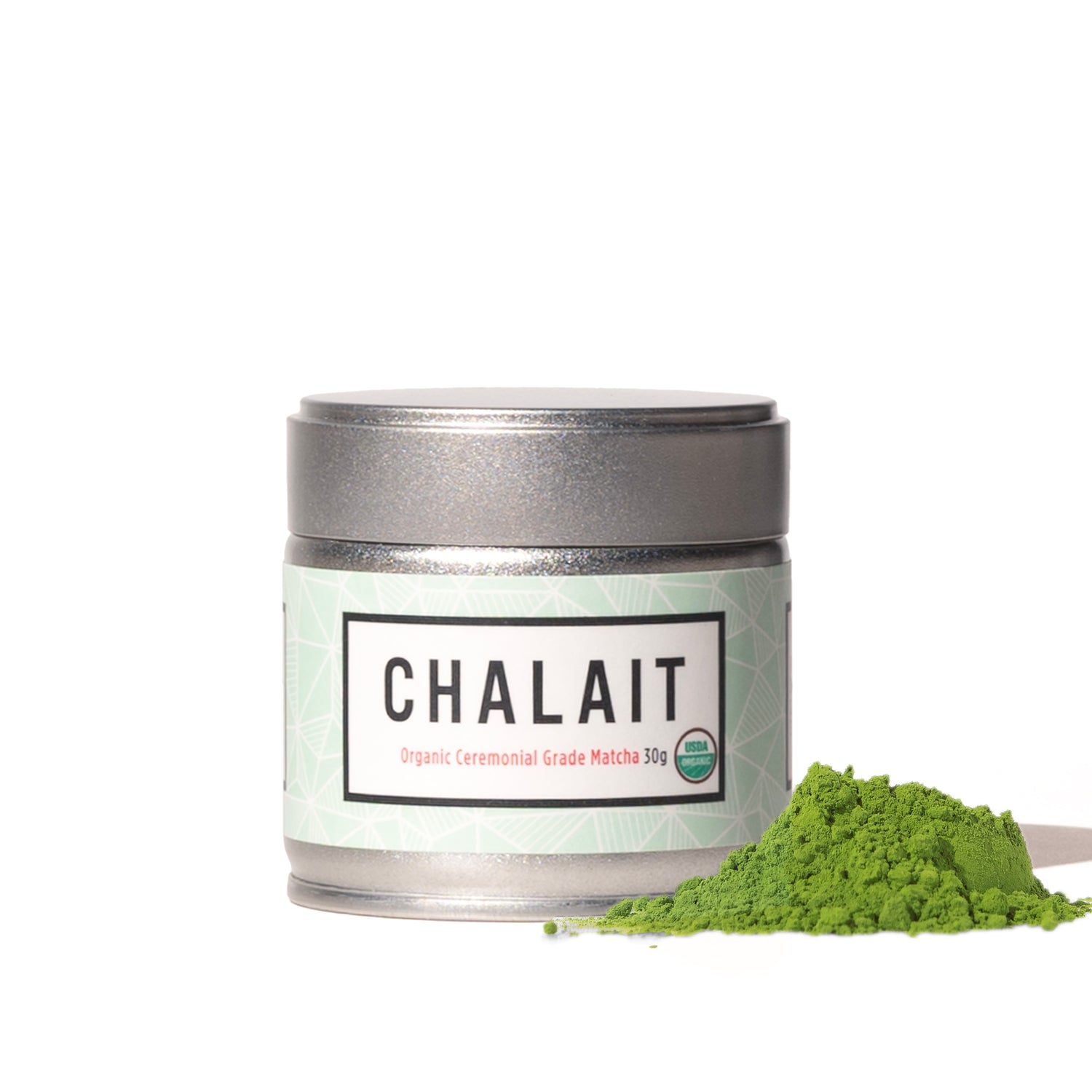
No single food protects the brain in isolation. What matcha contributes is a dense, daily dose of neuroprotective polyphenols and an amino acid that supports neurotransmitter balance, delivered in a form that most people find pleasurable and sustainable to consume over a lifetime. Preparing matcha with care — selecting ceremonial grade, using proper temperature water, making it a moment of pause — turns a nutritional choice into a daily brain health practice backed by both science and centuries of intentional use.