
Why Matcha Gives You a Different Kind of Alert
If you've ever felt laser-focused after a bowl of matcha but never experienced the racing heart or mid-afternoon crash that coffee often brings, you've felt the L-theanine effect firsthand. Matcha contains both caffeine and L-theanine, an amino acid that occurs almost exclusively in tea plants. The combination of these two compounds is what makes matcha's cognitive lift distinctly different from any other caffeinated beverage.
The Science Behind the Synergy
L-theanine promotes the production of alpha brain waves — the same relaxed, attentive state your brain enters during meditation. On its own, L-theanine won't keep you awake. But paired with caffeine, it extends and smooths caffeine's stimulating effect while blunting the anxiety response that caffeine alone can trigger. Research published in Nutritional Neuroscience found that the combination improved both speed and accuracy on demanding cognitive tasks more than either compound alone.
The ratio matters too. A standard serving of ceremonial-grade matcha contains roughly 35–70 mg of caffeine and 20–45 mg of L-theanine — a naturally occurring ratio that falls within the range studied for synergistic cognitive benefits. Coffee, by contrast, contains no L-theanine whatsoever.
Choosing the Right Matcha for Focus
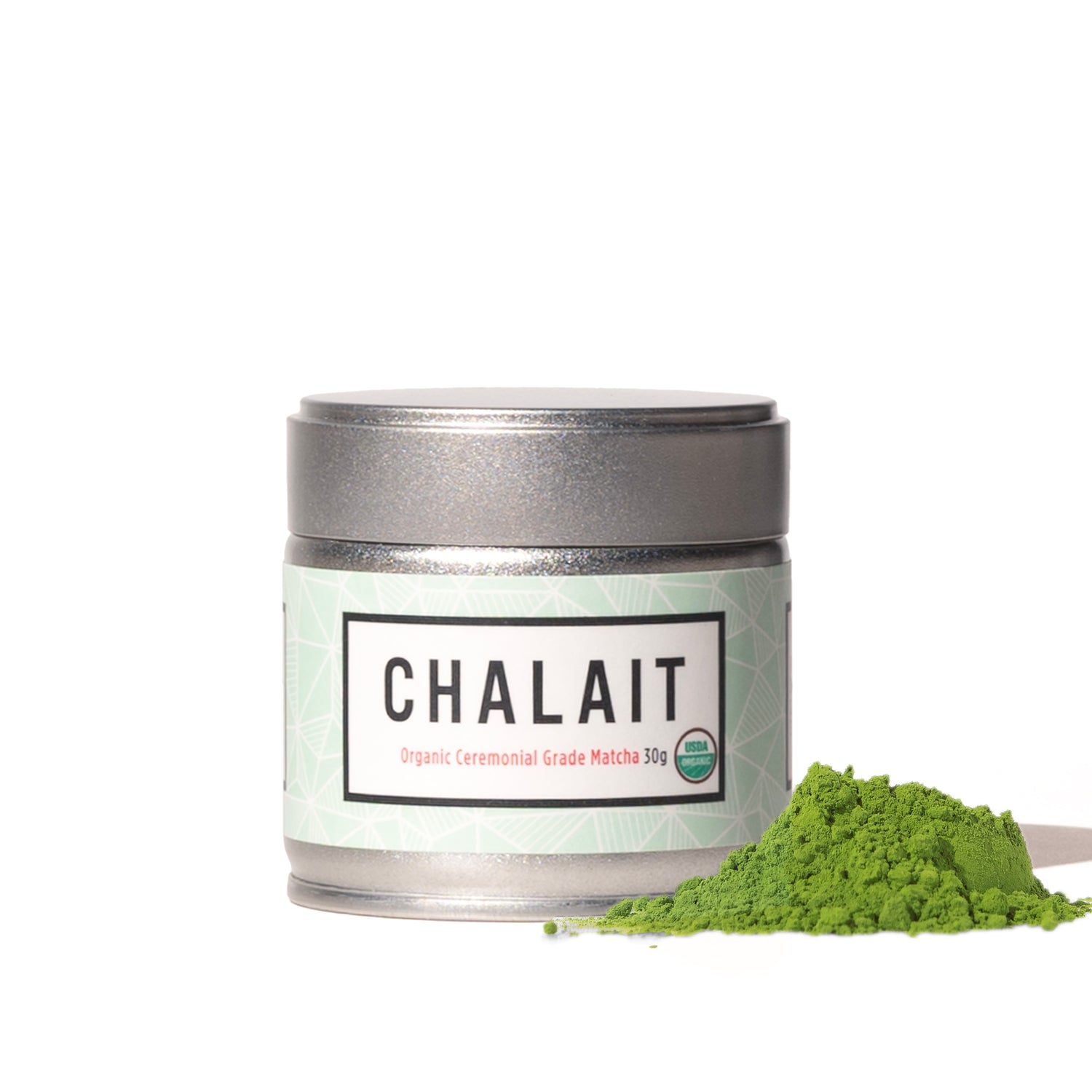
Ceremonial-grade matcha made from first-flush spring leaves contains the highest concentration of both caffeine and L-theanine. Shade-grown before harvest, the leaves accumulate L-theanine as a natural response to reduced sunlight. For peak focus benefits, prepare your matcha as a traditional thin tea with 70–80°C water rather than boiling, which preserves the delicate amino acid content. One to two servings in the morning is typically enough to sustain hours of clean-feeling concentration.