
The Skin-Gut-Antioxidant Connection
Skin health reflects internal biochemistry more than most people realize. The visible signs of aging — fine lines, uneven tone, dullness — are largely driven by oxidative stress and chronic inflammation at the cellular level. Antioxidant-rich foods that reduce systemic oxidative burden tend to support skin health from the inside out, which is why matcha has attracted growing interest from dermatologists and nutritional researchers.
EGCG's Role in Skin Protection
EGCG has received significant dermatological research attention. Topically applied EGCG reduces UV-induced DNA damage in skin cells, and when consumed regularly, green tea catechins have been associated with improved skin density, elasticity, and reduced transepidermal water loss — a key marker of skin barrier integrity. A 12-week randomized controlled trial published in the Journal of Nutrition found that women who consumed a high-catechin green tea beverage daily showed a 16% improvement in skin elasticity compared to a control group.
Chlorophyll and Skin Clarity
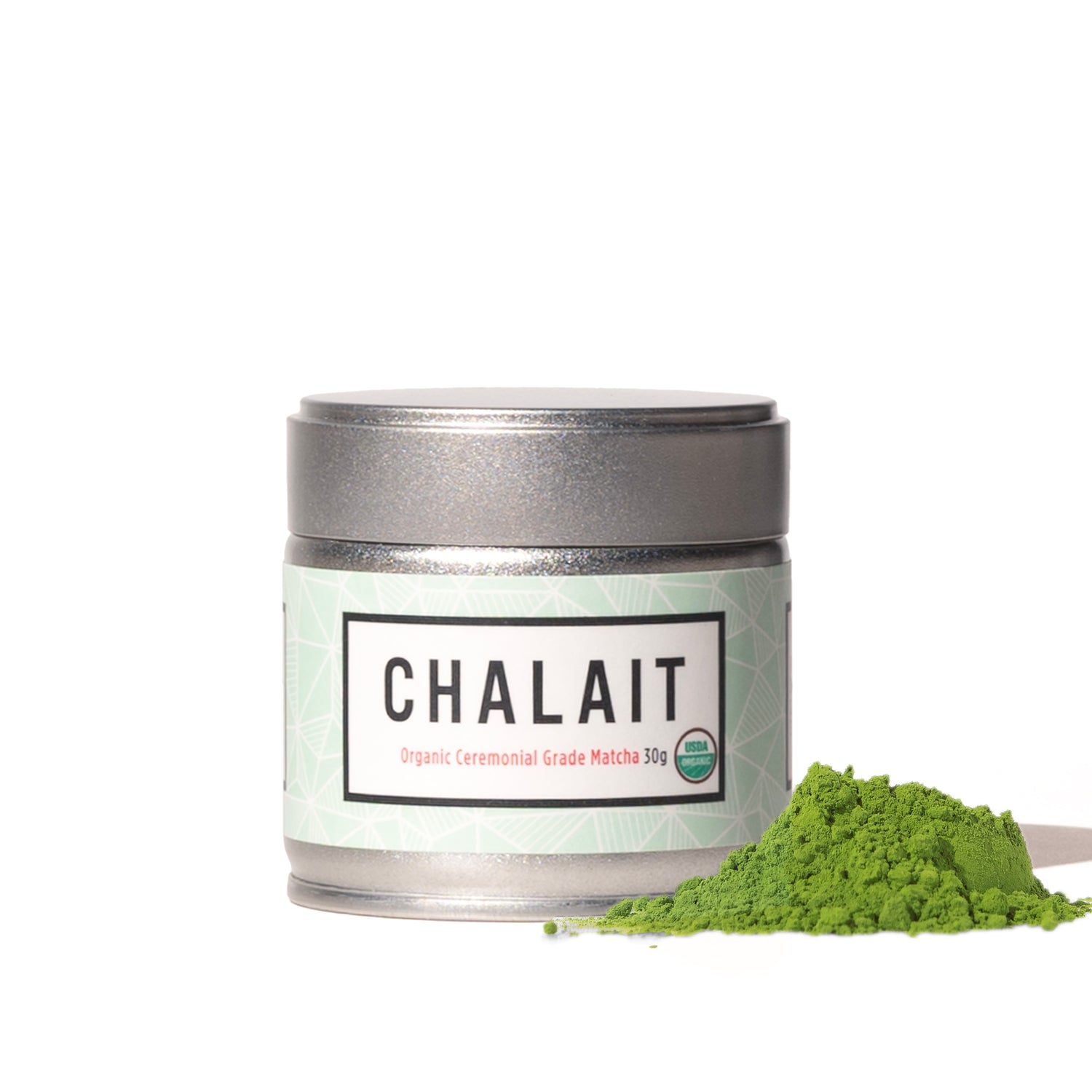
Matcha's intense green color comes from chlorophyll, which carries its own skin benefits. Chlorophyll has demonstrated wound-healing properties and has been studied for its ability to reduce acne lesions and control sebum production. Its anti-inflammatory action may also help calm redness associated with conditions like rosacea. Matcha, as shade-grown whole-leaf powder, contains significantly more chlorophyll than conventionally grown green tea — making grade a meaningful factor not just for taste, but for skin benefit.