
Two Very Different Kinds of Caffeinated Energy
Coffee and matcha both deliver caffeine, but they produce fundamentally different experiences. For millions of people who love coffee but struggle with jitteriness, anxiety, or the mid-afternoon crash, matcha represents a qualitatively different kind of energy source worth understanding on its own terms.
The Chemistry of the Difference
Coffee contains 80–100mg of caffeine per 8oz cup with no L-theanine. The caffeine enters the bloodstream rapidly, peaks within 30–60 minutes, then drops off — often sharply. This spike-and-dip profile is partly responsible for coffee's characteristic buzz-then-crash cycle and the anxiety it can trigger in sensitive individuals.
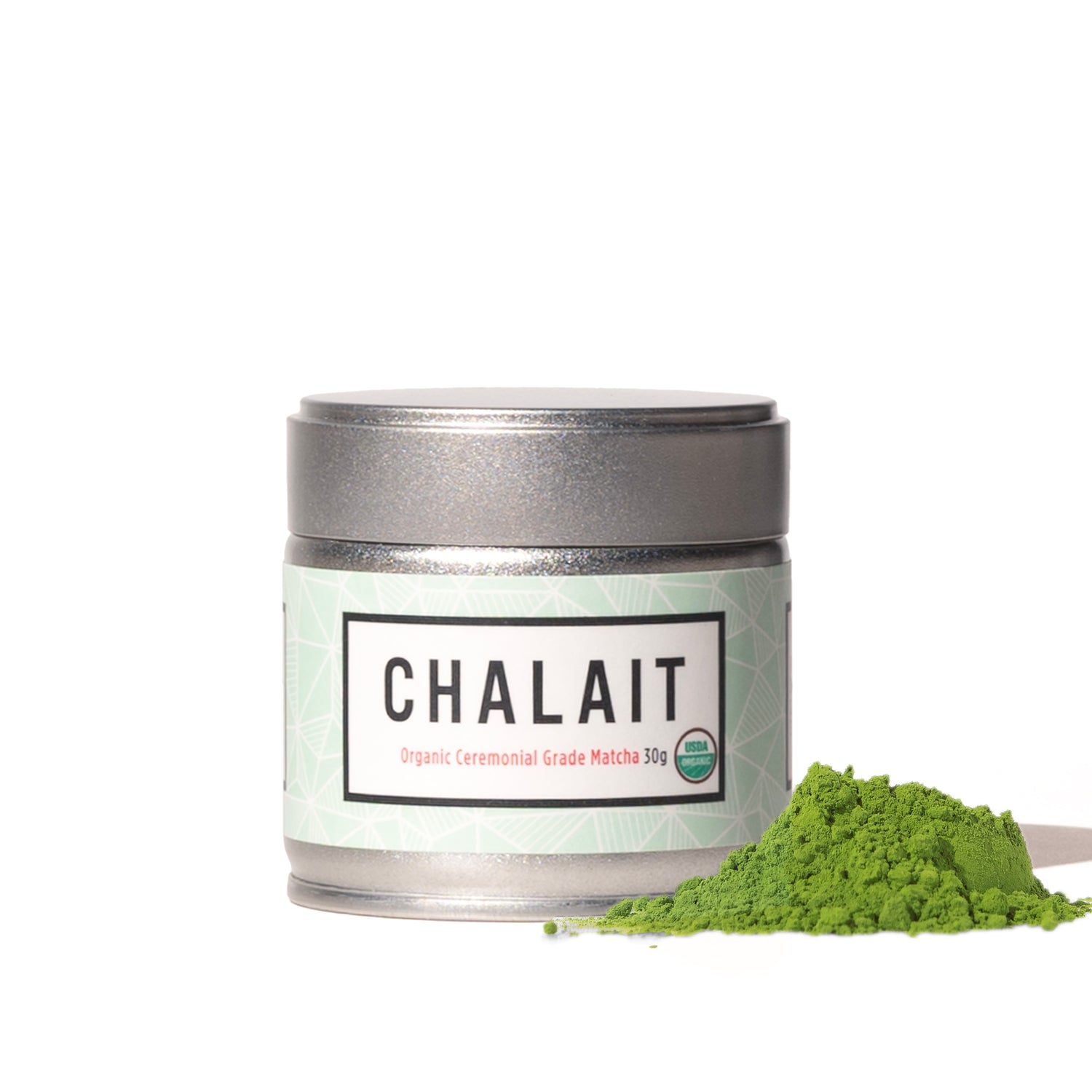
Matcha contains 35–70mg of caffeine per serving alongside 20–45mg of L-theanine. L-theanine's brain-crossing action promotes alpha wave activity — the relaxed alertness of focused concentration — and modulates the cortisol response that caffeine can trigger. The result is a gentler onset, a longer plateau, and a more gradual decline. The "crash" most matcha drinkers report is simply returning to baseline, not falling below it.
The Practical Switch
People transitioning from coffee to matcha often find a brief adjustment period during which matcha feels less intense. This typically resolves within one to two weeks as the nervous system adjusts to a different style of stimulation. Starting with two grams of ceremonial matcha whisked in 6oz of water at 75–80°C provides a comparable caffeine kick to a moderate espresso — without the acidity or the crash that follows.