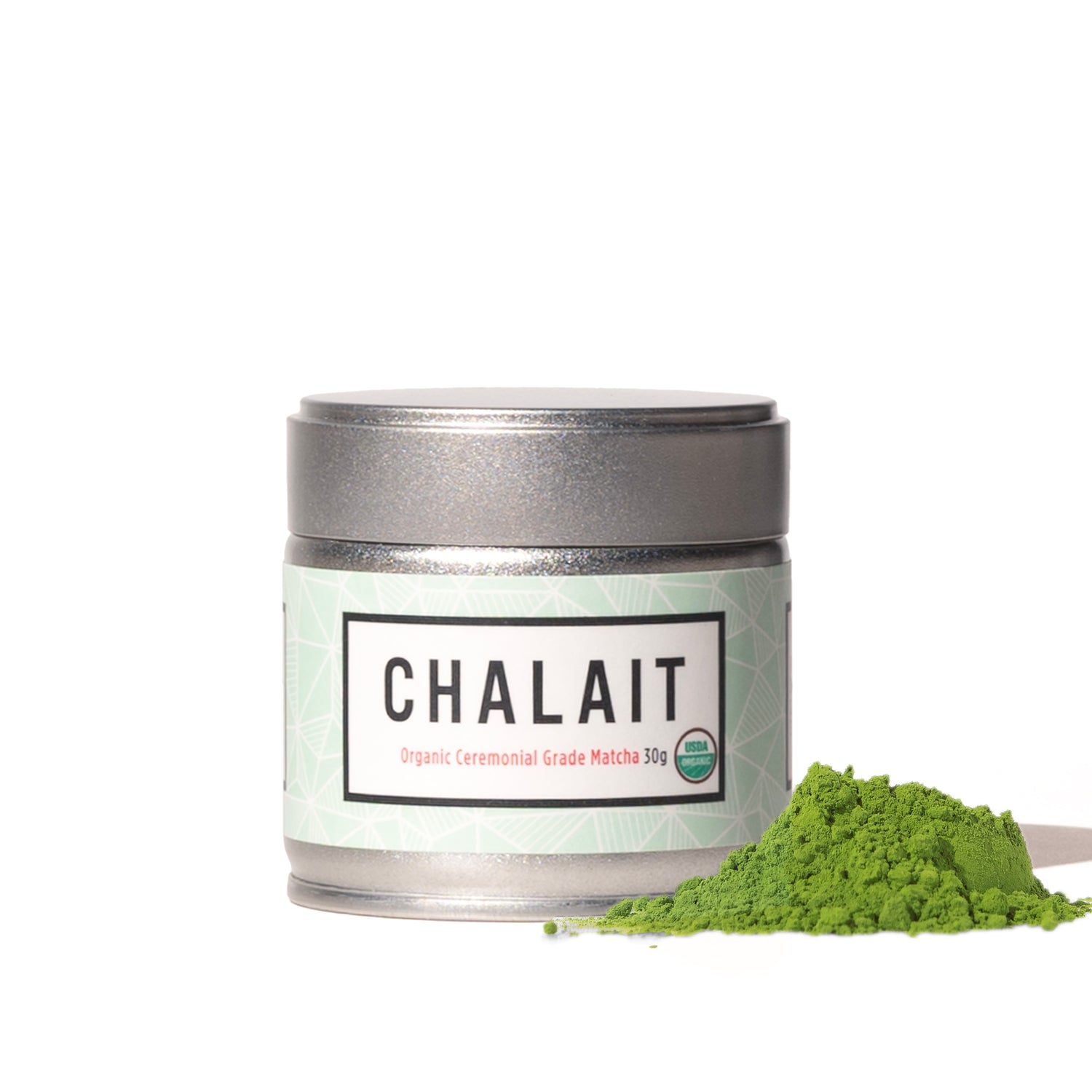

Beyond the ORAC Score
Matcha is frequently cited for its antioxidant content, with claims that it contains 10x or more antioxidants than regular green tea. These numbers come from ORAC testing and are real — but they tell an incomplete story. What matters isn't just how many antioxidants a food contains, but which antioxidants, how bioavailable they are, and what specific actions they take in the body.
What EGCG Actually Is
Epigallocatechin gallate (EGCG) is a catechin, a class of flavonoid polyphenol. A single gram of high-quality matcha can contain 50–100mg of EGCG, compared to 20–35mg in a steeped cup of green tea, because you consume the whole leaf rather than steeping it. EGCG's mechanism involves donating electrons to reactive oxygen species (free radicals) — unstable molecules that damage cellular structures including DNA, proteins, and lipid membranes. By neutralizing these molecules before they cause damage, EGCG reduces oxidative stress implicated in aging, chronic inflammation, and cardiovascular disease.
Getting the Most Antioxidants from Matcha
EGCG is sensitive to heat. Water above 85°C begins to degrade catechin content, which is why preparing matcha with 75–80°C water yields a more antioxidant-rich cup — and a more pleasant-tasting one. Adding citrus juice (vitamin C) has been shown to stabilize EGCG and improve absorption significantly, which is why a squeeze of lemon in your matcha is more than just a flavor choice.